
The Cost of the Wrong Heat Pump
by GeoFease | Jan. 27, 2026, 7 a.m.
The Setup
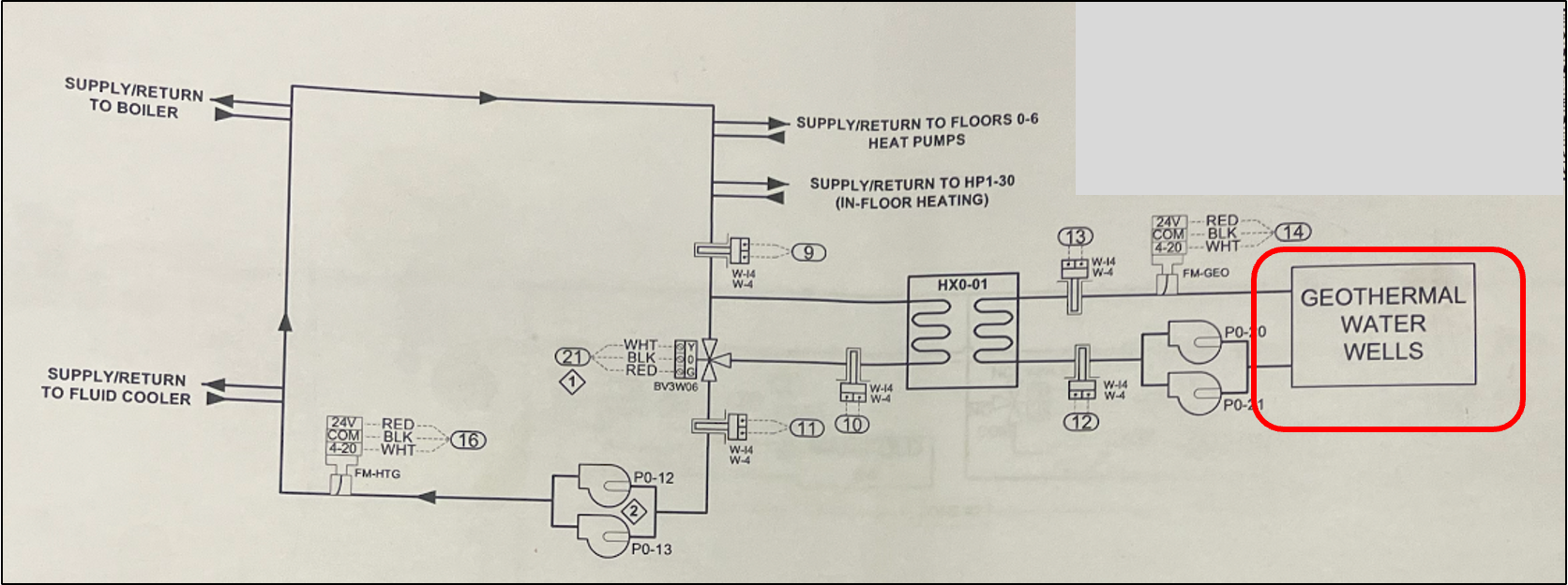
A 100,000 ft² commercial building relied on what appeared to be a robust geothermal design: geothermal water wells feeding a network of distributed water-to-air GSHP units. To handle peak winter demand, a back-up natural gas boiler was installed in case it needed to assist from November through April. In summer, a fluid cooler supported the system if cooling loads exceeded geothermal capacity.
To ensure transparency and performance accountability, a BTU meter was installed across the GHX, providing direct measurement of thermal energy transferred to and from the geothermal water wells.
On paper, it was a well-instrumented, flexible system. In practice, it concealed a fundamental flaw.
The Problem: Presumptive Equipment Selection
In October, operators noticed something unusual. As temperatures dropped and heating season began, the ground loop pumps stopped running.
The data told a stark story: after early fall, virtually no heat was being extracted from the ground. The geothermal water wells, the very heart of the geothermal system, had gone dormant.
The cause was not mechanical failure. It was design presumption.
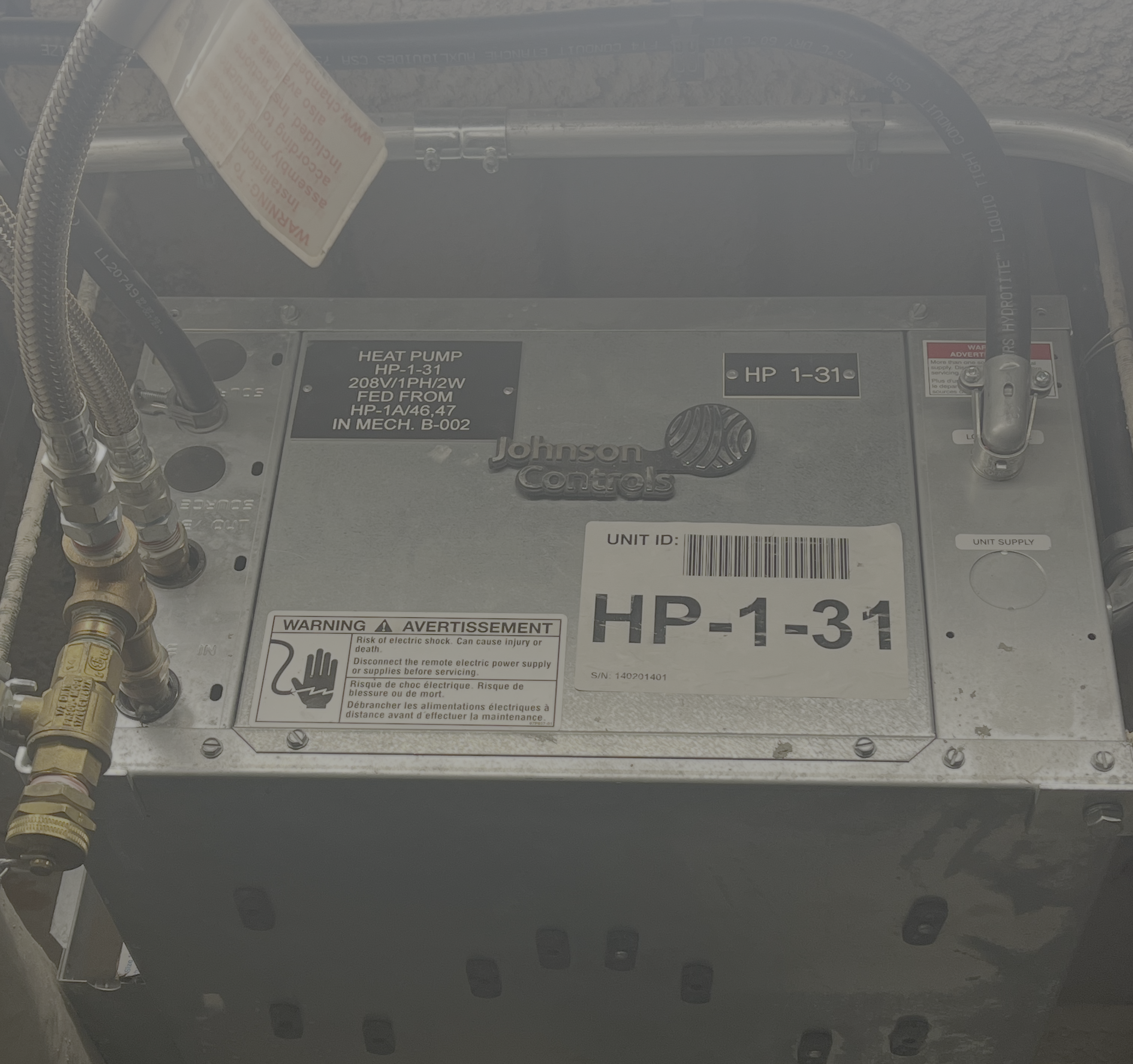
The selected heat pumps were not designed for geothermal operating conditions. In heating mode, they refused to operate if entering water temperatures fell below 62°F (17°C). The geothermal water wells provide water between 45 - 55°F (7 - 13°C) which is well within the normal geothermal operating range, but the selected heat pumps locked themselves out.
With the GSHPs unable to run, the natural gas boiler assumed the entire heating load.
The system had effectively become a conventional boiler plant with an expensive, idle ground loop attached.
The Data: A Silent GHX
The BTU meter confirmed the reality. Thermal transfer across the GHX dropped to near zero once loop temperatures fell below the heat pumps’ minimum threshold.
Instead of using geothermal energy, the system relied exclusively on combustion, precisely the condition the geothermal system had been designed to avoid.
Fuel consumption surged. Efficiency plummeted. The geothermal asset became stranded capital.
All because of one overlooked specification.
.png)
The Lesson
Geothermal systems demand geothermal-rated equipment.
Selecting heat pumps designed for conventional hydronic temperatures, rather than true geothermal operating ranges, is not a minor oversight. It fundamentally disables the system when it is needed most.
This failure was not rooted in controls, piping, or commissioning. It was rooted in presumption: the assumption that “a heat pump is a heat pump,” and that all units can tolerate geothermal temperatures.
They cannot.
The takeaway is simple and unforgiving:
Always verify that selected heat pumps are certified and rated for geothermal entering water temperatures in both heating and cooling modes.